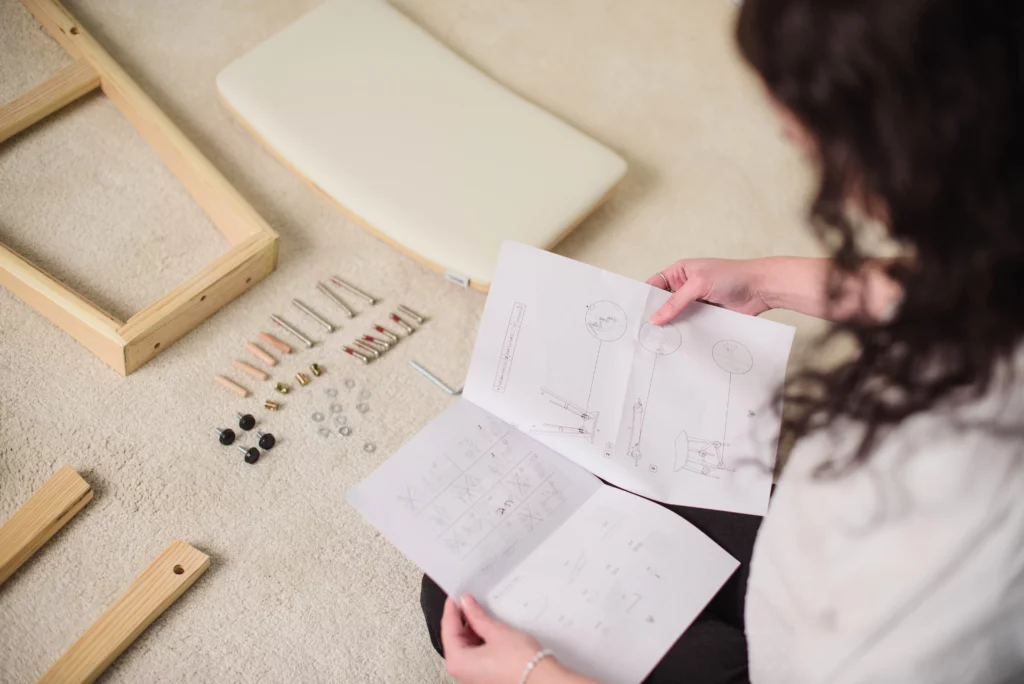



Design of interior spaces that is aesthetic, comfortable, and functional
Preparation of unique, personalized interior design documentation
based on quotation
Interior design is an exciting and complex process aimed at transforming and shaping interior spaces, meeting the needs of users, and making spaces more livable. The goal is not only to achieve an aesthetic appearance but also to create functional and practical spaces.
The process begins with a conversation with the client, where the designer learns about their needs, lifestyle, and the function of the space. This is followed by concept design, where creative ideas emerge, sketches and mood boards are created. The next step is detailed planning, where technical plans, 3D visualizations, and material selection take center stage. Finally, implementation follows, where the plans are executed, and the interior spaces are furnished.
During the interior design process, numerous aspects must be considered. Functionality refers to the practical usability of the space and the arrangement of rooms. Aesthetics ensures the visual appearance, the harmony of colors, shapes, and materials. Material usage involves durability, cost-effectiveness, and the selection of appropriate materials. Lighting ensures the optimal use of natural and artificial light. Acoustics takes care of sound management and noise level regulation. Sustainability refers to environmentally conscious design and the use of natural materials.
The duration of the design process greatly depends on the size and complexity of the project. Renovating a smaller apartment may take a few weeks, while designing a large family house or an office can take months. It is important to consult the professional early in the design phase, preferably before the design begins, so that the interior designer can modify the layout and space design as effectively as possible. This way, the client can avoid costly changes during implementation. The key to successful design is close collaboration and harmony between the designer and the client. Open communication, precise articulation of needs, and mutual trust are essential for the final outcome.
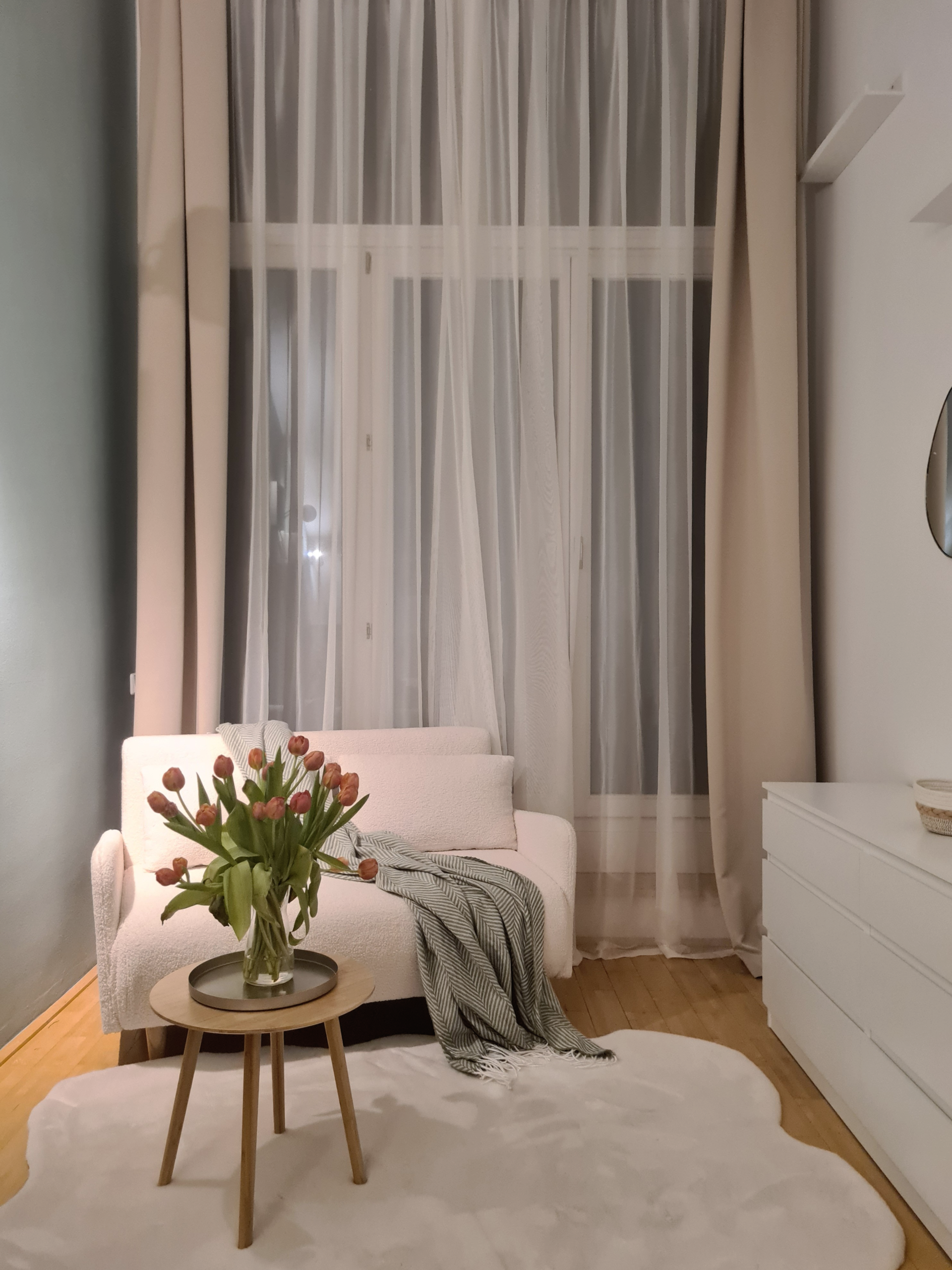
The interior design documentation includes the following:
◌ Furniture layout plan, scale 1:50
◌ Floor and wall covering plan, scale 1:50
◌ Ceiling and drywall plan, scale 1:50
◌ Lighting and electrical outlet plan, scale 1:50
◌ Mechanical outlet plan, scale 1:50
◌ Wall coloring plan, scale 1:50
◌ Characteristic wall views, scale 1:50
◌ Custom furniture specifications, scale 1:20
◌ Material list
◌ Photorealistic visual plans